
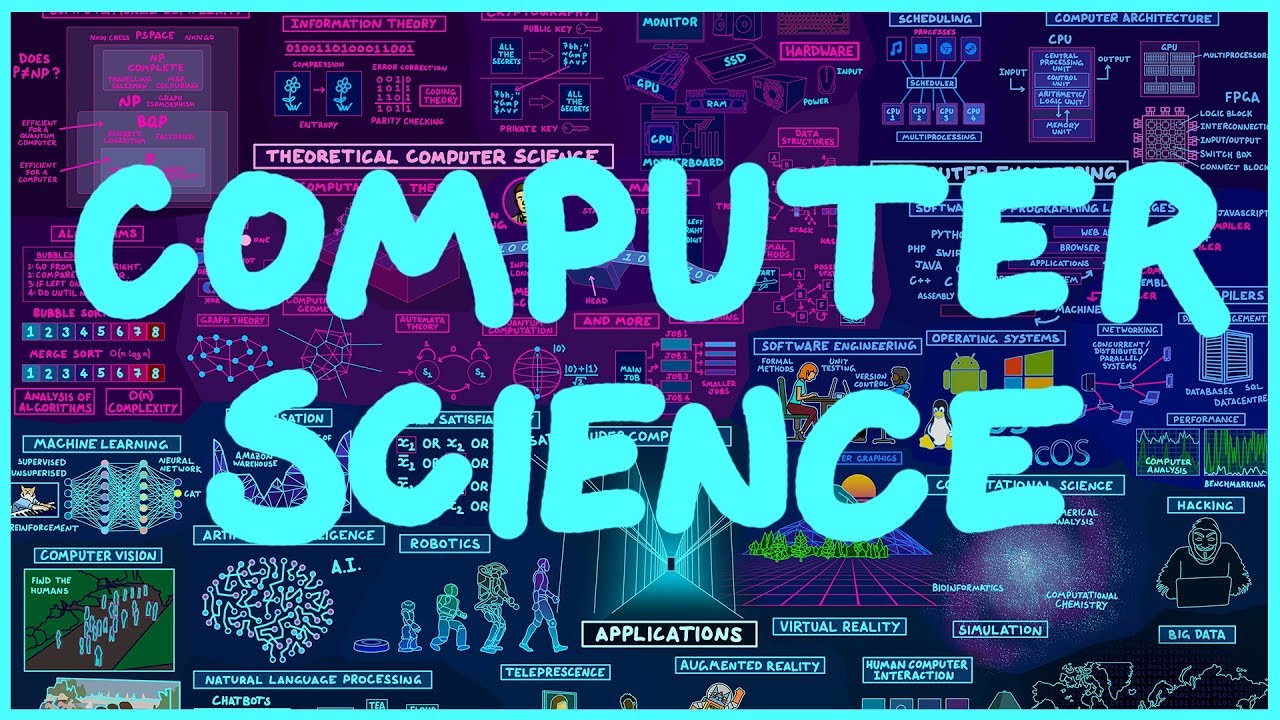
 It has been slow realization that as a technology educator, part of the difficulty in communicating with parents, students, administrators and the community at large about what we do and why it is important is because we don’t have a coherent message that people can quickly grasp and understand.
When you say “Math, Science, Language Arts or Social Studies” everyone knows what those mean because they have an understanding based on their own experience with school. But when we just say “computers” or “business”, we sell ourselves short because those terms can mean almost anything. When I tell some people that I teach computers, I sometimes get “do we really NEED to do that anymore?” or “programming?” at which point I then need to go into a lengthy description about how computers are much more than just checking email or Facebook or playing games. If we called it Computer Science, we could give our subject area more legitimacy and send a message that this subject is more than just these basic typing or web surfing skills. It would also gets us closer to being the fifth core class, along with Math, English, Science and Social Studies, which is something that this nation sorely needs.
Right now this country is technologically advanced but computer illiterate. We depend on that one person in our family who is “good with computers” to keep us safe, up-to-date and everything running. And while these individuals are probably enthusiastic about technology, they have probably been self-taught and have gaps in their knowledge. These times are very similar to the late 19th, early 20th century when a large portion of the population had no formal education and had to depend on others to read, write and do arithmetic for them, typically a family member who was either self taught or could afford the time and effort to go to school. But right now we still have the ability to start the process of educating the next generation with the knowledge and skills needed to become technologically literate and allow this generation to not be fooled or taken advantage of by those who are more technologically savvy.
So what should Computer Science include? For me the list would include:
- Basic understanding of Hardware, Software and Internet communication
- Cyber Safety and Digital Citizenship
- Coding and Programming
- Basic knowledge of HTML and CSS
- Basic knowledge of cloud apps and collaboration
Within these five categories we can explore a multitude of skills, such as keyboarding, 3D modeling, problem solving, and critical thinking. Then like the other disciplines of Math, Science, Language Arts and Social Studies, we can branch out into specialty areas.
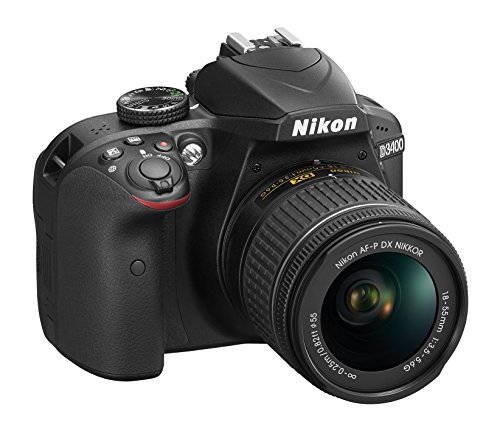 While I’ve always been interested in taking photographs, I’ve never had any driving interest in being any good at it. I’ve always wanted to take a good photo of something that I was experiencing but I’ve always felt that going too much into the details of things like ISO or focal length was too much to bother with.
 Living With Computers